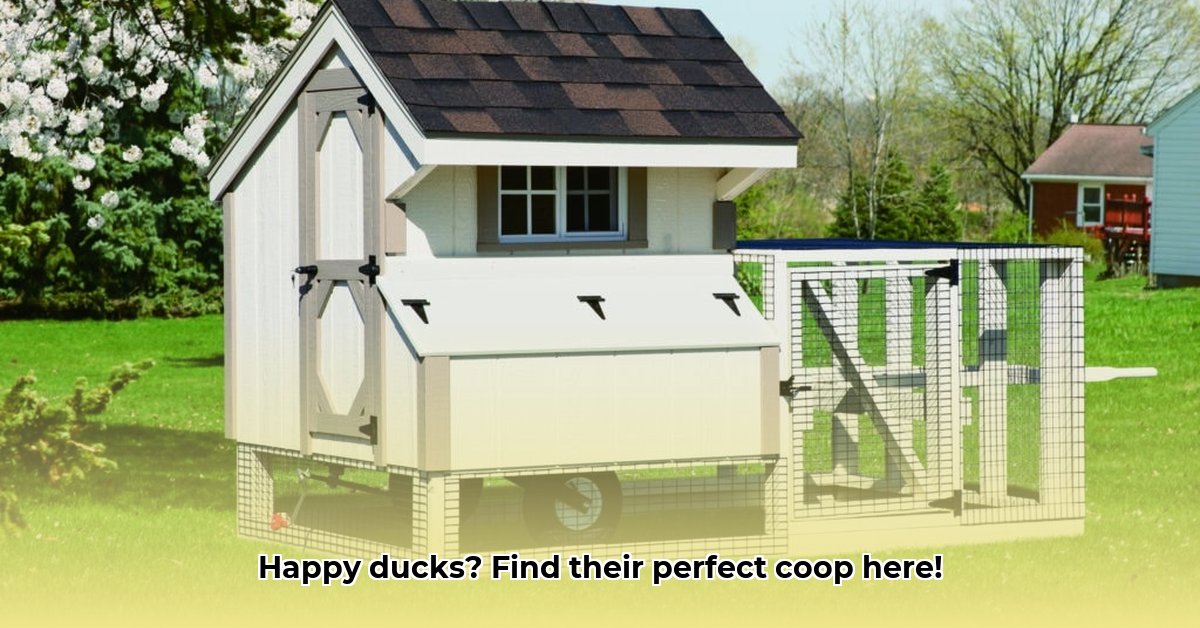
Backyard poultry keeping, including ducks, is experiencing a surge in popularity. The rewarding experience of raising your own birds, coupled with access to fresh eggs, makes it an appealing choice for many. For those interested in building their own coop, check out these chicken coop plans. Tractor Supply, a leading retailer for rural living supplies, offers a wide selection of duck coops, but navigating the choices can be daunting. This comprehensive guide helps you find the perfect coop for your feathered friends, blending practical instruction with reviews of Tractor Supply’s offerings.
Factors to Consider When Choosing a Duck Coop
Before diving into specific Tractor Supply products, let's establish the key considerations for selecting the right duck coop. These factors ensure your ducks thrive in a safe, comfortable, and healthy environment.
Coop Size: Space for Quacking Comfort
How many ducks do you currently have? More importantly, how many do you plan to have? Overcrowding stresses ducks, negatively impacting their health and egg production. A slightly larger coop is always preferable to ensure adequate space for your current birds and any future additions. Tractor Supply provides dimensions for their coops; carefully compare these to your flock size needs. Remember, a happy duck is a productive duck!
Coop Materials: Weighing the Pros and Cons
Duck coops are typically constructed from wood, plastic, or metal. Each material offers distinct advantages and disadvantages:
- Wood: Provides excellent insulation and a natural aesthetic. However, wooden coops require regular maintenance (painting, sealing) to protect against rot and pest infestations. They are also more expensive upfront.
- Plastic: Durable, low-maintenance, and often more budget-friendly. Plastic coops are resistant to pests and rot, but might not offer as good insulation as wood and could degrade with prolonged sun exposure.
- Metal: Highly durable and pest-resistant. However, metal coops can overheat in direct sunlight, making them potentially uncomfortable for ducks during hot weather. Adequate ventilation is crucial if you opt for metal.
The choice depends on your budget, climate, and maintenance preferences. Tractor Supply's online listings detail the materials of their various coop models, allowing for direct comparison.
Essential Coop Features: A Duck's Wish List
Beyond size and materials, several features are critical for a duck-friendly coop:
- Ventilation: Proper ventilation prevents ammonia buildup, a serious threat to duck health. Look for coops with ample vents and good airflow.
- Predator Protection: Secure latches, sturdy construction, and possibly hardware cloth around the base are essential to deter predators like foxes, raccoons, or weasels.
- Nesting Boxes: Ducks need private spaces for laying eggs. Ensure sufficient nesting boxes, ideally placed in quieter areas away from the main coop traffic.
- Easy Cleaning: Regular cleaning is paramount. Choose a coop with features facilitating easy access for cleaning and sanitation. Removable trays or easily accessible areas are ideal.
- Run Size: Ducks require space for exercise and foraging. A sizable enclosed run provides this much-needed space. Consider the run size in relation to your flock size.
Top Duck Coop Options at Tractor Supply: A Review
(Note: Specific coop models and availability vary by location and season. Consult your local Tractor Supply for the most current offerings and customer reviews.)
This section would analyze several duck coops from Tractor Supply, drawing on their product listings and available online customer reviews. Each coop would be assessed using the criteria outlined above, with a summarized pro/con list for each. For example:
Example Coop A: (Insert Tractor Supply Coop Name and Model Number Here)
- Material: (Coop Material)
- Size: (Coop Dimensions)
- Features: (List Key Features – ventilation, predator protection, etc.)
- Pros: (Based on product description and customer reviews)
- Cons: (Based on product description and customer reviews)
Example Coop B: (Insert Tractor Supply Coop Name and Model Number Here) Repeat the above format for multiple coops.
This comparative review section provides actionable intelligence, allowing readers to make informed decisions based on their specific needs and budget.
Installation and Setup: Building Your Duck's Haven
Setting up your new duck coop involves these steps:
- Site Selection: Choose a sunny, well-drained location with easy access for cleaning. Avoid areas prone to flooding.
- Ground Preparation: Level the ground. Adding a layer of gravel improves drainage.
- Assembly: Follow the manufacturer’s instructions carefully. Take your time and ensure a secure structure.
- Securing the Coop: Double-check all latches, hinges, and fasteners.
- Bedding and Nesting Material: Add bedding (wood shavings or straw) and nesting material to create a comfortable environment.
- Feeder and Waterer Placement: Provide easy access to food and water.
Maintenance and Care: Keeping Your Ducks Healthy
Regular coop maintenance is crucial for preventing disease and ensuring your ducks’ well-being.
- Weekly Cleaning: Remove droppings and debris.
- Monthly Deep Clean: Thoroughly sanitize the coop to prevent the buildup of harmful bacteria.
- Regular Inspections: Check for any damage to the coop’s structure or signs of pest infestations. Address repairs promptly.
Consistent maintenance promotes a healthy environment for your ducks and extends the coop’s lifespan.
Conclusion: Happy Ducks, Happy You
Choosing the right duck coop is a significant investment. By carefully considering the factors outlined in this guide and reviewing Tractor Supply’s offerings, you'll set the stage for years of enjoyment with your backyard flock. Remember to check local ordinances regarding backyard poultry before you begin your project. Happy duck raising!